Frozen in time
A few readers wrote in response to me sharing Panic’s blog to say that they witnessed online publications doing the same.
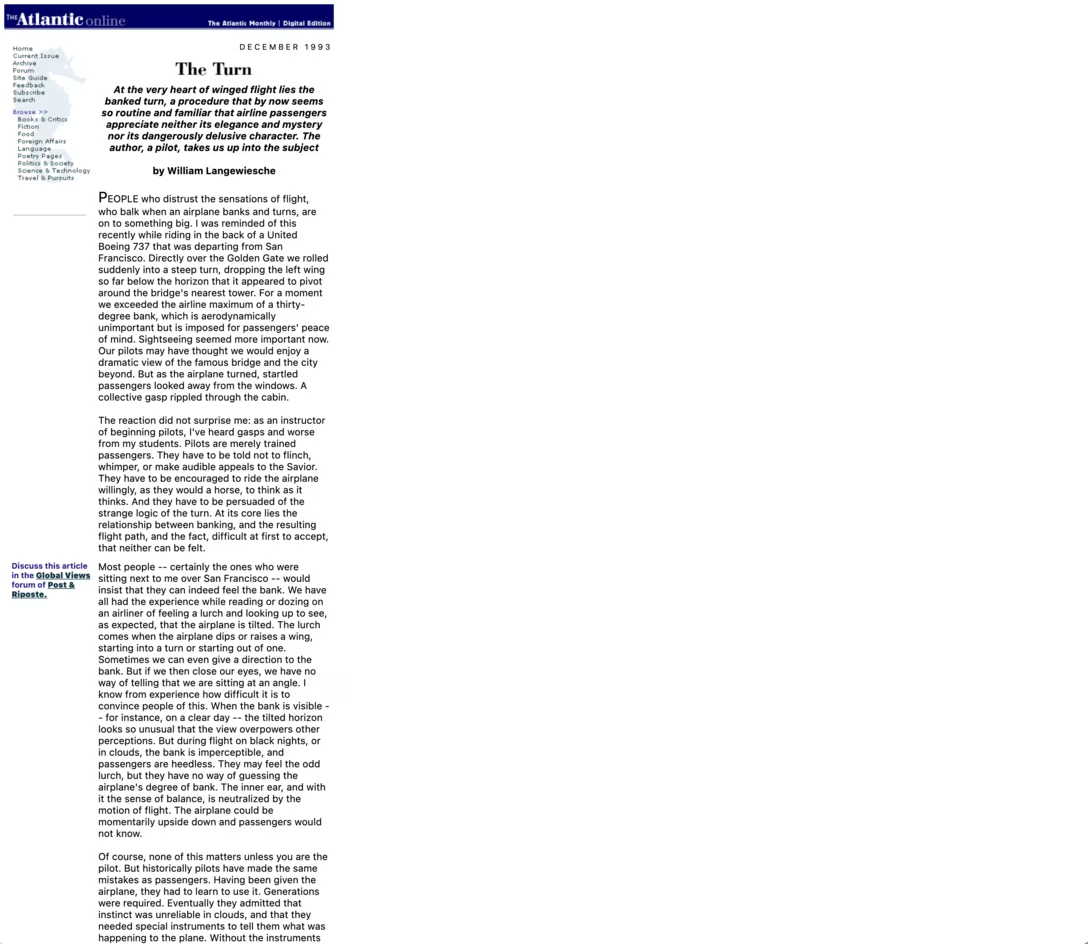
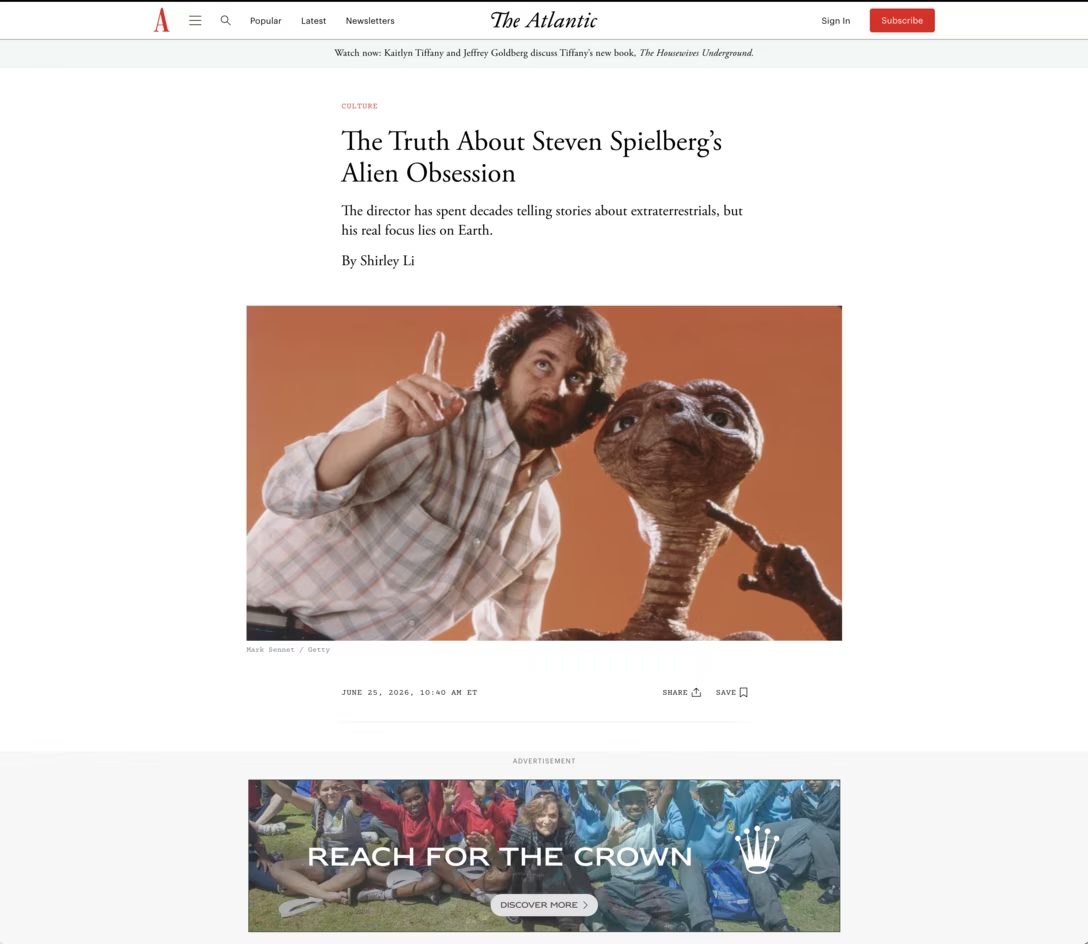
Here’s a 1993 essay by William Langewiesche from The Atlantic Online (sic!) that’s still on the web – which, by the way, you should read because it’s really great writing – juxtaposed with a screenshot of a 2026 Atlantic essay on the same machine:
Likewise, here is a BBC News article from 1997, and another one just from today:
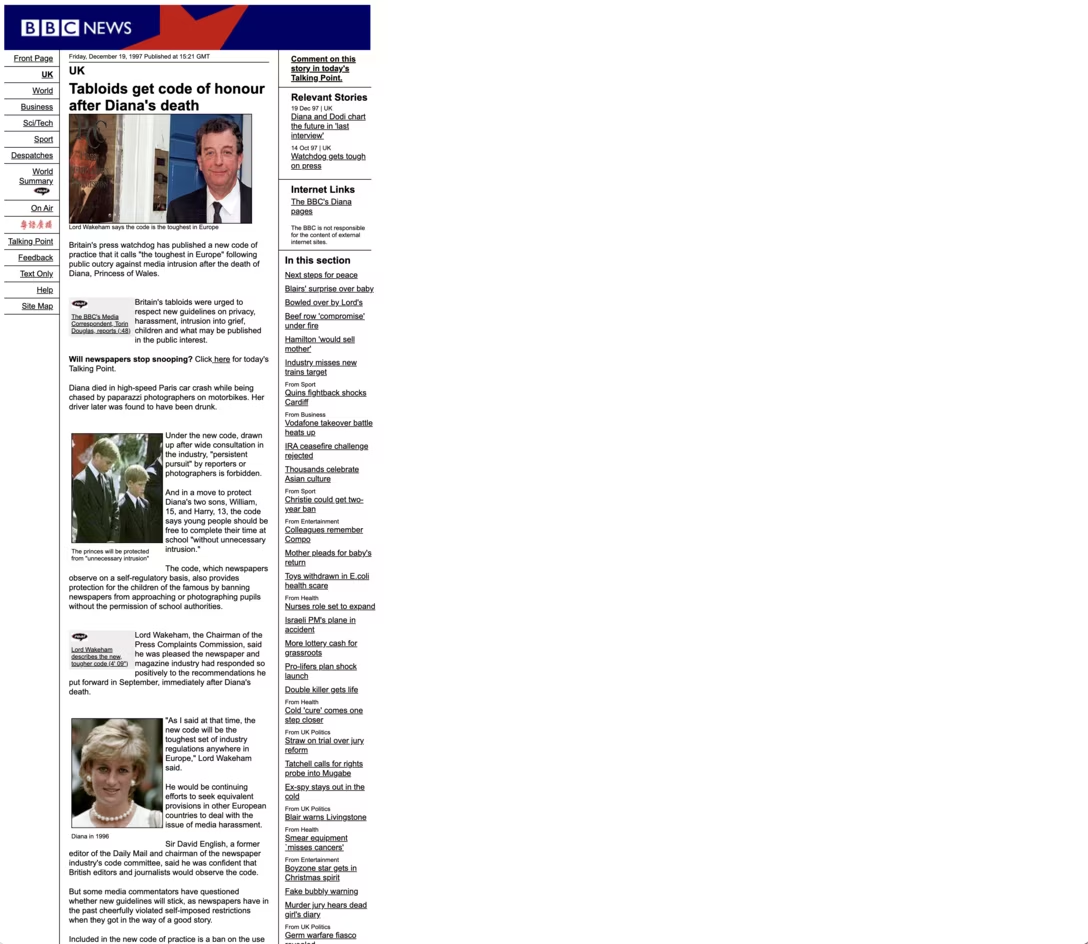
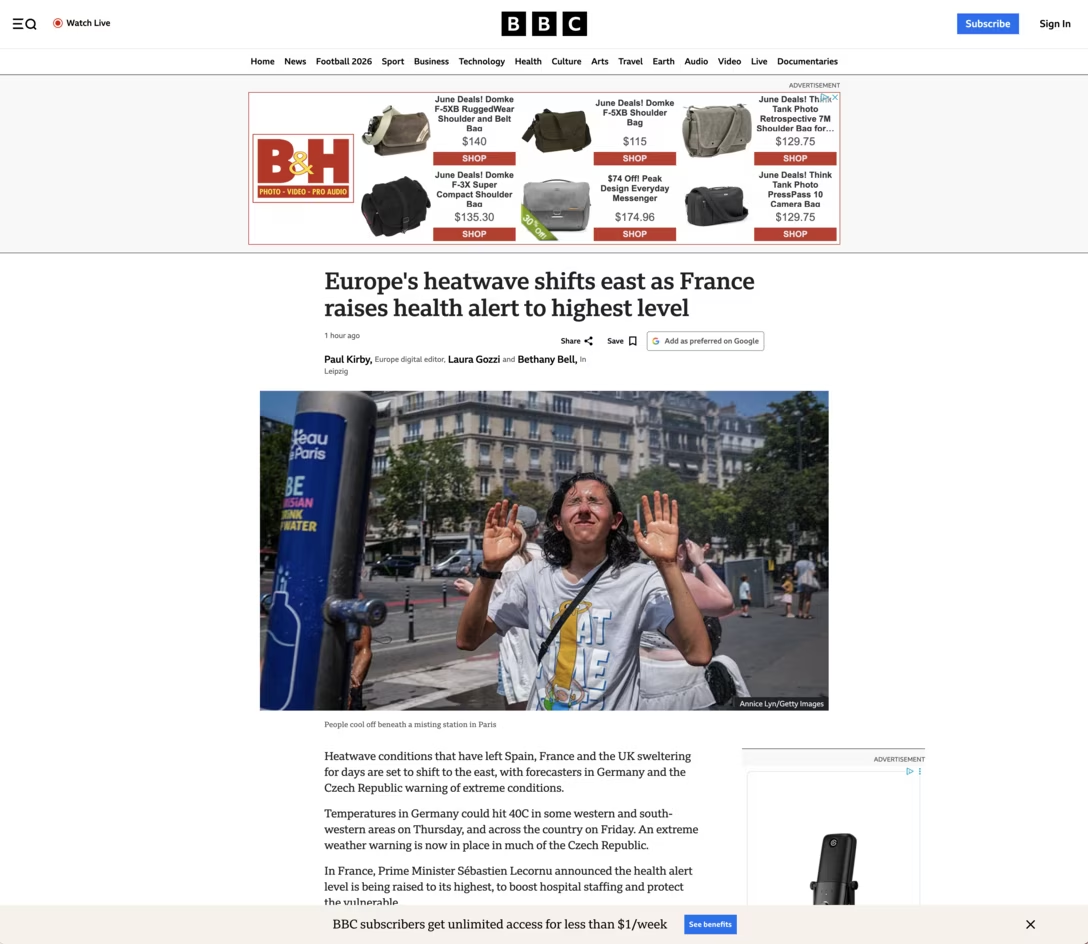
I do see those as something different, though. The old essays here are basically preserved as they were, which you can tell by the tiny images, pixel fonts, narrow widths, and so on. They’re likely the output of contemporaneous CMS frozen in time, functionally equivalent to a “Save As…” command.
This is better than those articles disappearing altogether, and better still than them being carelessly converted in bulk to a more modern CMS, resulting in formatting mistakes, broken images, and missing context. But what I appreciated about Panic’s approach is that it felt unified with the rest of the blog. In a way, it was less like preservation “as is” and more like “remastering” – ask any Star Wars fan about the difference – with slight updates to fonts, more thorough integration, and thinking about readability on smartphones that didn’t exist in the 1990s.
Of course, compounding the difficulty of online preservation, “as is” in the computer realm doesn’t really exist; even The Atlantic Online’s 33-year-old HTML is served using modern fonts via crisp and tiny pixels 1993 would die for – but even if it’s increasingly more and more possible, you also probably wouldn’t want to emulate an old, flickering CRT and Internet Explorer 3 to read it. On the web, just like elsewhere in computing, you truly can’t go home again.
Thanks to Phil Gyford for a few examples.