“To build a thing that immediately feels like you’ve had it forever is very hard to do.”
What Version History, a YouTube show from The Verge, does really well is revisiting older tech products from today’s perspective without allowing nostalgia to take over.
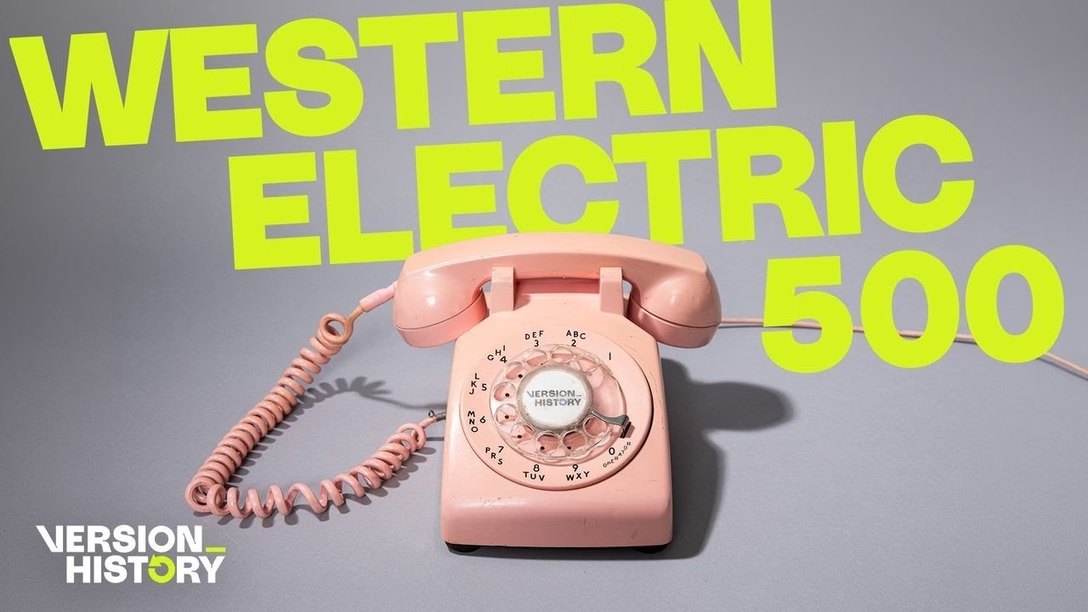
This episode about the Western Electric 500 – the canonical American landline rotary phone – is worth watching by all UX designers. There is no software here, as the phone is entirely electromechanical. But there are a whole lot of details to admire and be inspired by: the shape of the handset, the interface to change the volume, the iconic ring, the balanced and improved rotary dial, the behaviour of the cable, even the weight and balance of the whole device.
It’s not only that phone calls should all sound as good as they did in the 1950s – in my experience FaceTime Audio comes close, sometimes, but it’s so unreliable – it’s that you should try to play with a Western Electric 500 because you want your modern interface to feel like that.
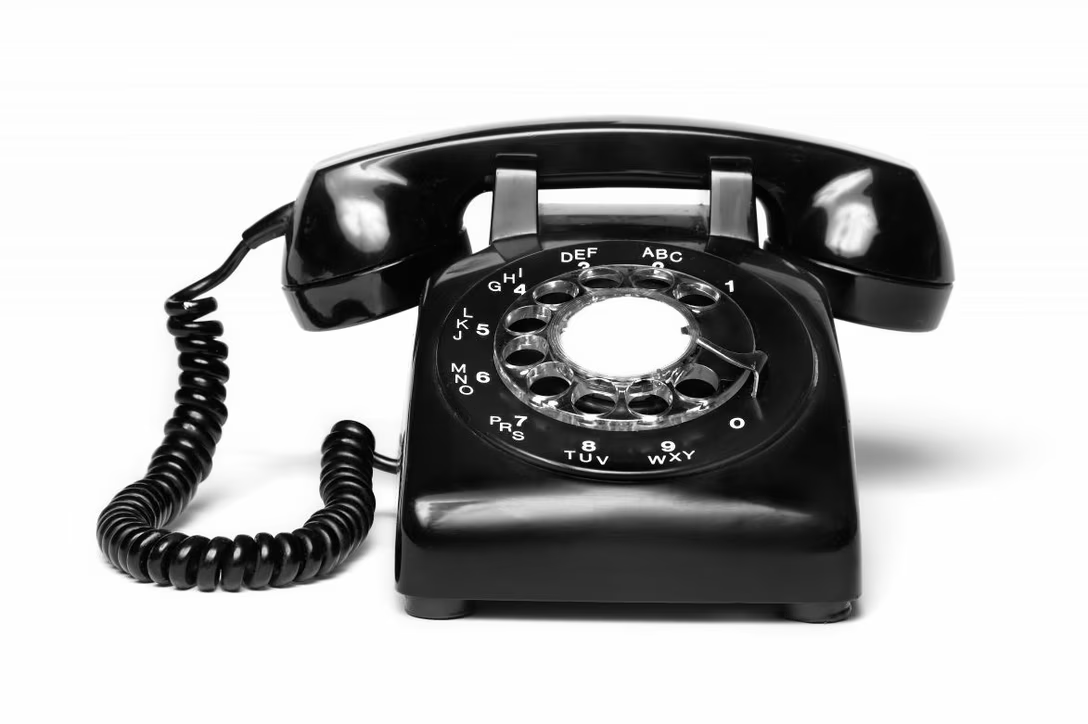
The hosts – David Pierce and Nilay Patel, helped by Tim Wu, author of the excellent The Master Switch – also weave into it an entirely different angle, of how that phone fit into (and reflected) a specific period of American tech history, and how it related to AT&T’s then monopoly, including the phone jack and third-party access we just discussed re: John Deere. Even the discussion whether this is or isn’t a “hall of fame” object is good fodder for thought.
The episode – and the entire show – is also just a really enjoyable watch. If you like this ep, it pairs nicely with the one about the iPhone 4, another phone that transcended its origins through good industrial design, exactly sixty years later.