“59.94Hz is standard on televisions in North America.”
A big screen carries with it different UI expectations, and how that manifests itself in Apple TV’s Settings app, is that there’s always room for an additional hint about the thing you’ve just selected.
So yes, I have been exploring Apple TV’s Settings after the recent update like any normal person would, and I have noticed how well-written those are. They help navigate difficult technical things, and they’re not afraid to get conversational, or offer advice, or even commentary… but they always seem to stay succinct and on-point. I think they’re worth studying.
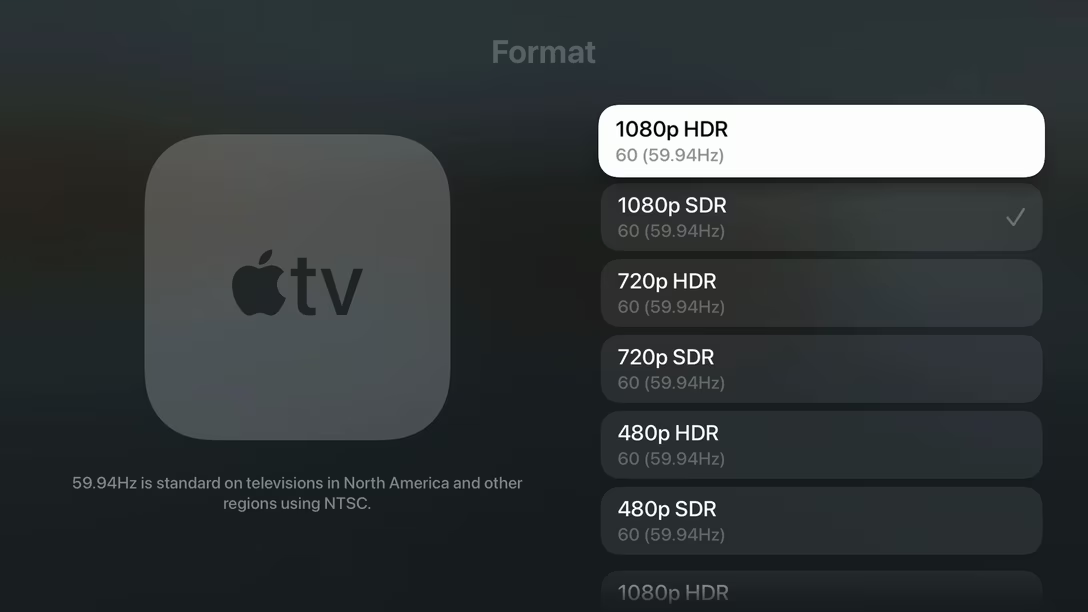
59.94Hz is standard on televisions in North America and other regions using NTSC.
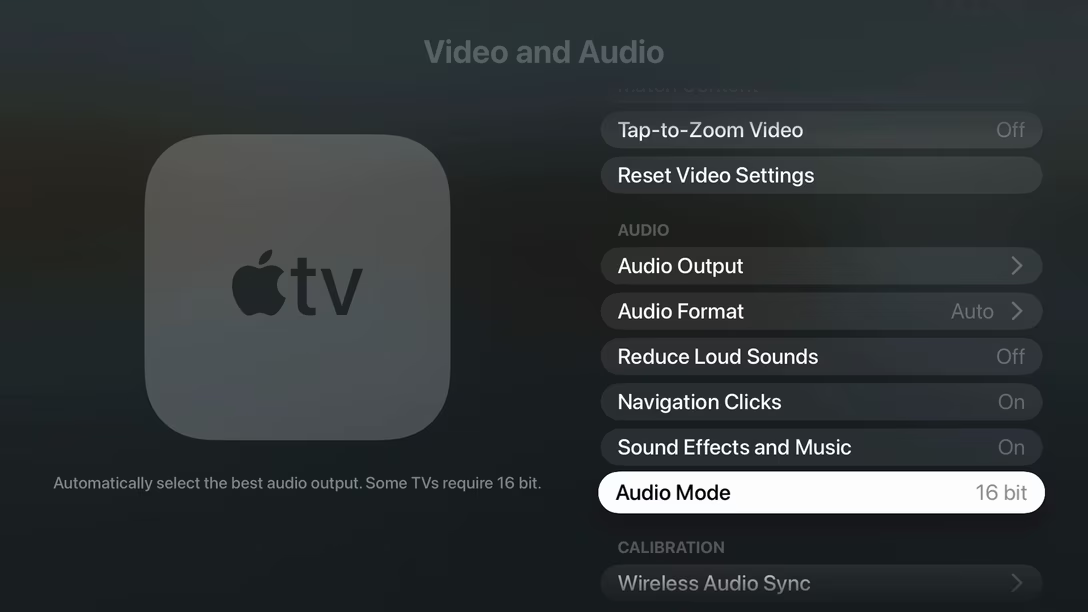
Automatically select the best audio output. Some TVs require 16 bit.
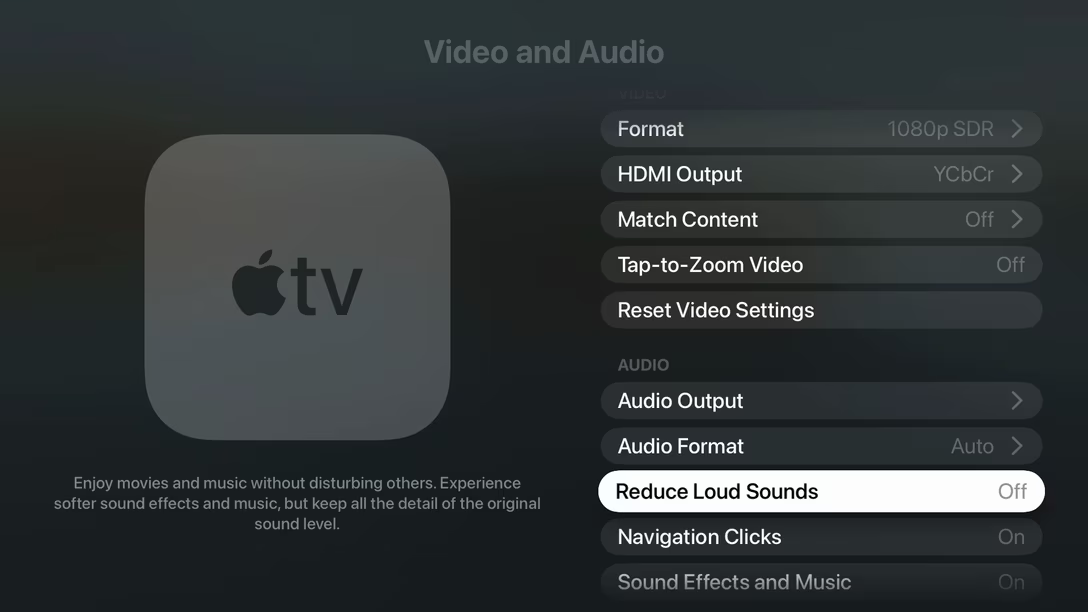
Enjoy movies and music without disturbing others. Experience softer sound effects and music, but keep all the detail of the original sound level.
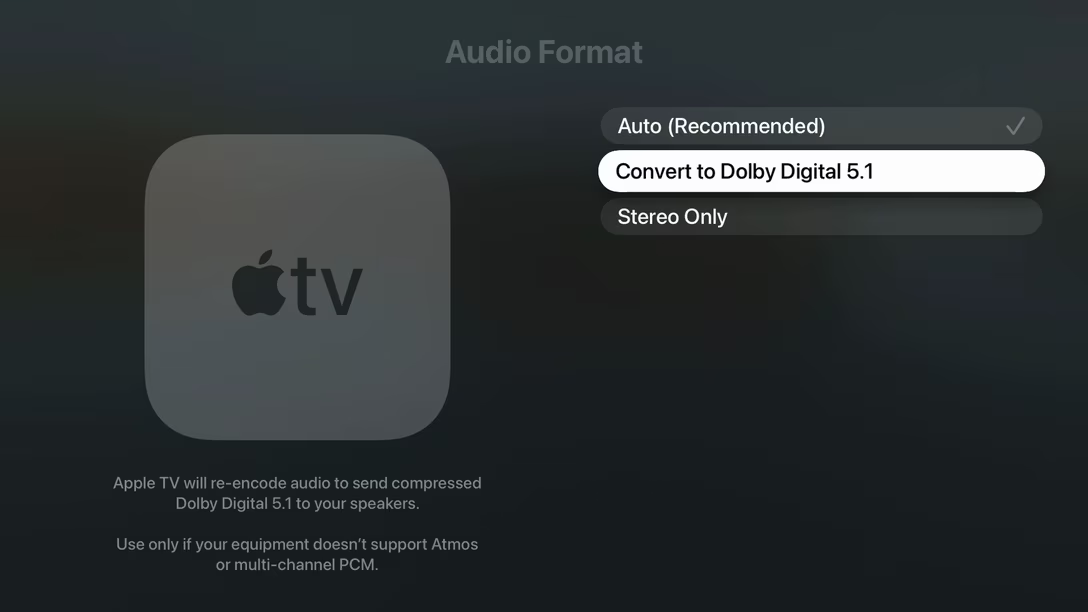
Apple TV will re-encode audio to send compressed Dolby Digital 5.1 to your speakers. ¶ Use only if your equipment doesn’t support Atmos or multi-channel PCM.
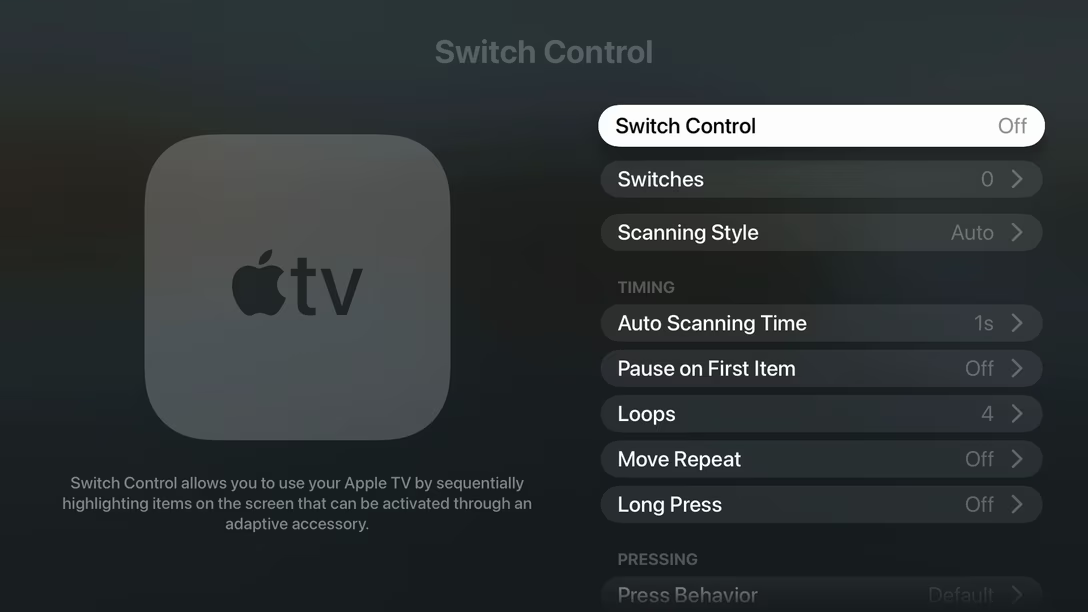
Switch Control allows you to use your Apple TV by sequentially highlighting items on the screen that can be activated through an adaptive accessory.
À propos Unsung’s first post ever, whoever works on these did not abuse the privilege. It would be so easy to just keep writing, but if a hint is not necessary, it just doesn’t appear:
…with one exception, which is the screensaver section. Here, the hint strings feel redundant, mostly repeating what the label already said: