“Players are still trying to find the alternate reality that might be hidden underneath.”
It’s Halloween Week on Unsung, where we’re sharing scary, spooky, and creepy stories.
Boku No Natsuyasumi (“My summer vacation”) was a 2000 PlayStation video game, exclusive to Japan, which portrayed a nine-year-old boy on his vacation in the countryside. The game was meant to be calm, relaxing, open-ended, and without specific goals, focusing more on the atmosphere set by its hand-painted visual style and calming music.
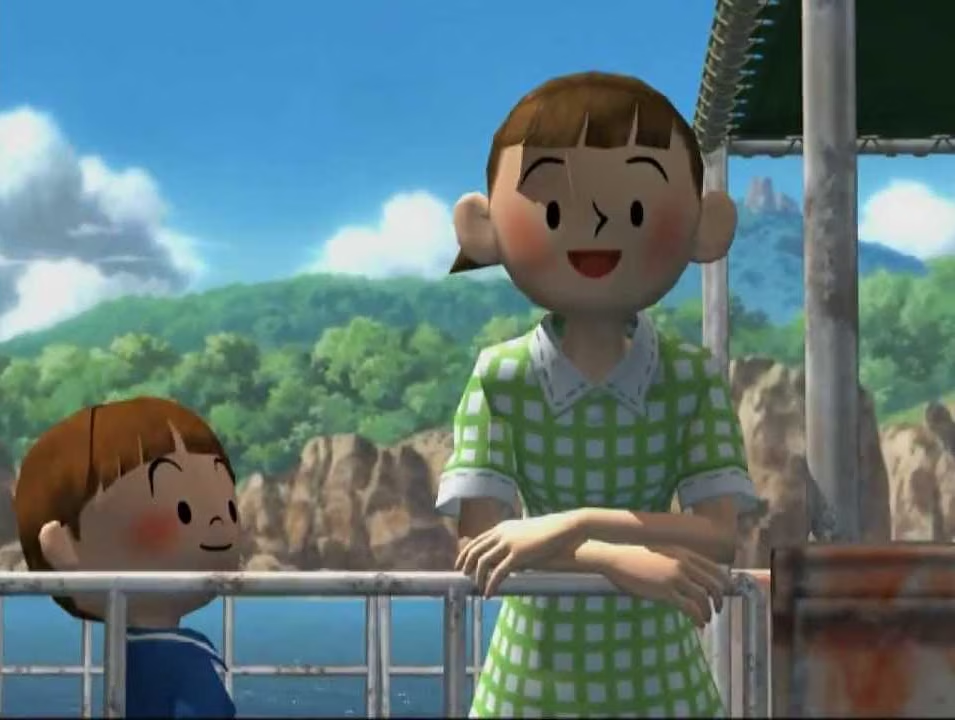
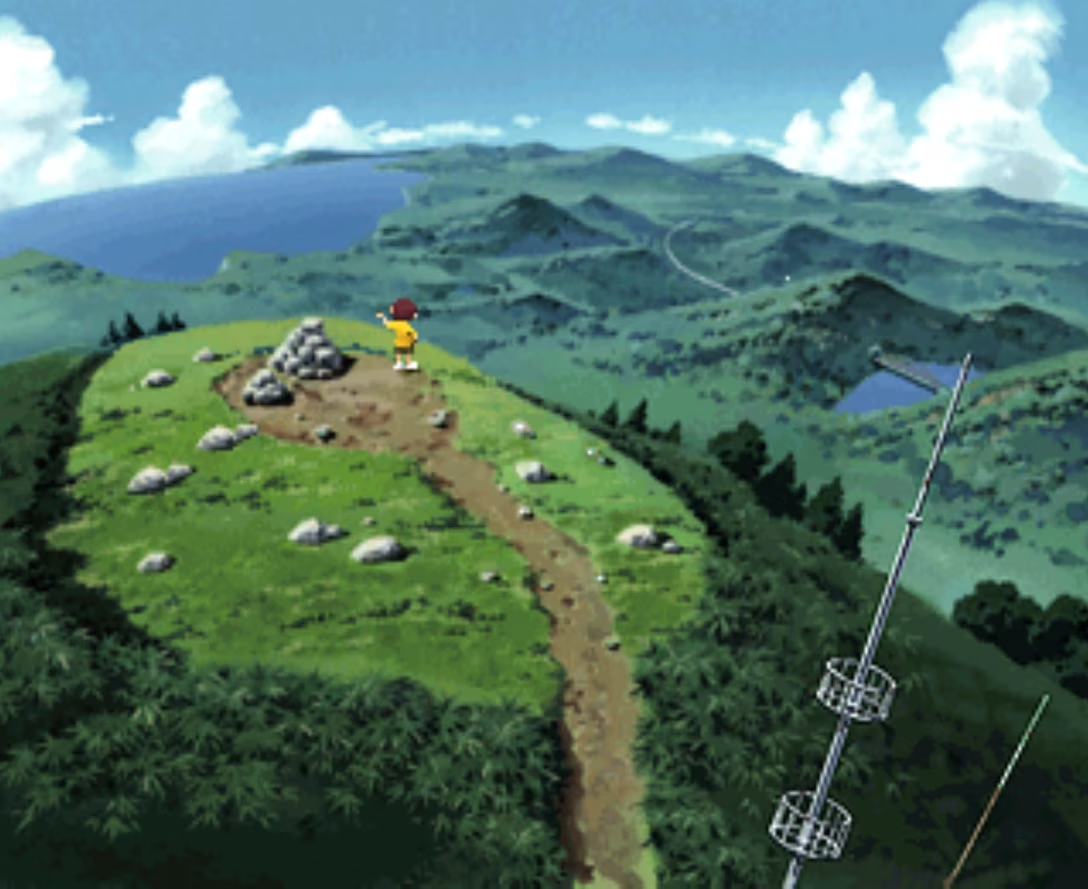
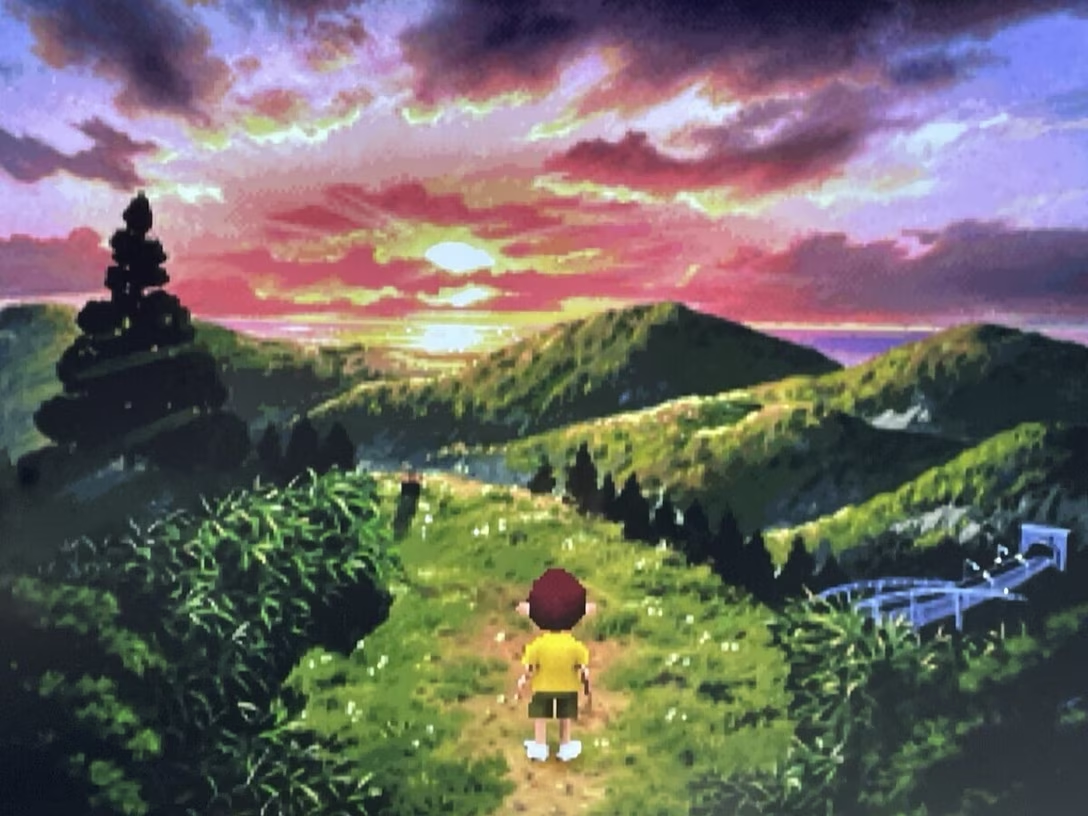
The story started on August 1, and the game had a fixed ending at the the month’s conclusion. However, its code came with a user interface bug which – under some conditions – allowed players to progress to the next day. Since the game didn’t even anticipate another month, the following days were referred to as August 32, August 33, and so on:
After loading a “clear data” save file, players can back out from a menu they’re not supposed to, which confuses the game enough to load the final day as a normal day, allowing the player to go to bed and
save as usual. Logically speaking, the game shouldn’t work at that point, but instead it carries itself forward into August 32nd, which begins as if Boku is still on vacation.
That had consequences that are not hard to imagine in a game written in a 1990s programming environment: both game data and visual assets were now being interpreted from places in memory that were not prepared for this use. This resulted in particularly creepy outcomes – glitched text, empty rooms, garbled textures, characters missing limbs and torsos, and people floating in the sky:
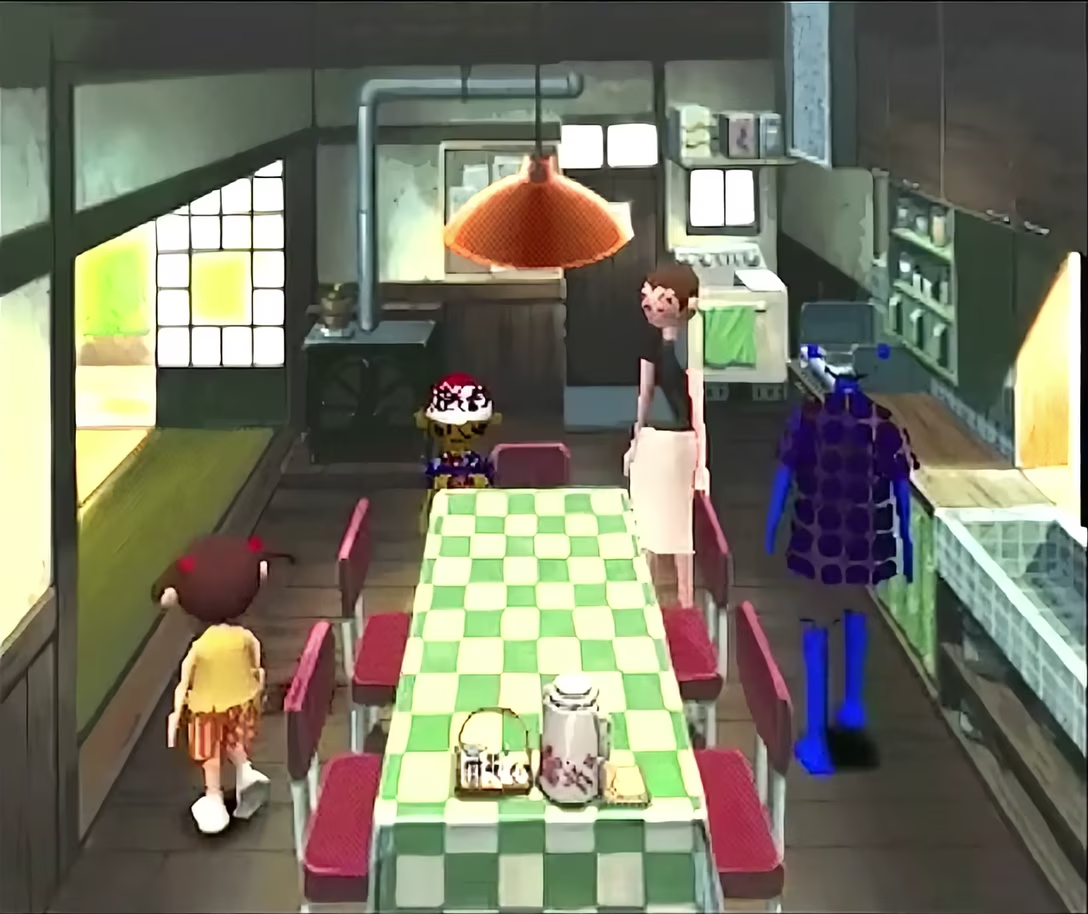
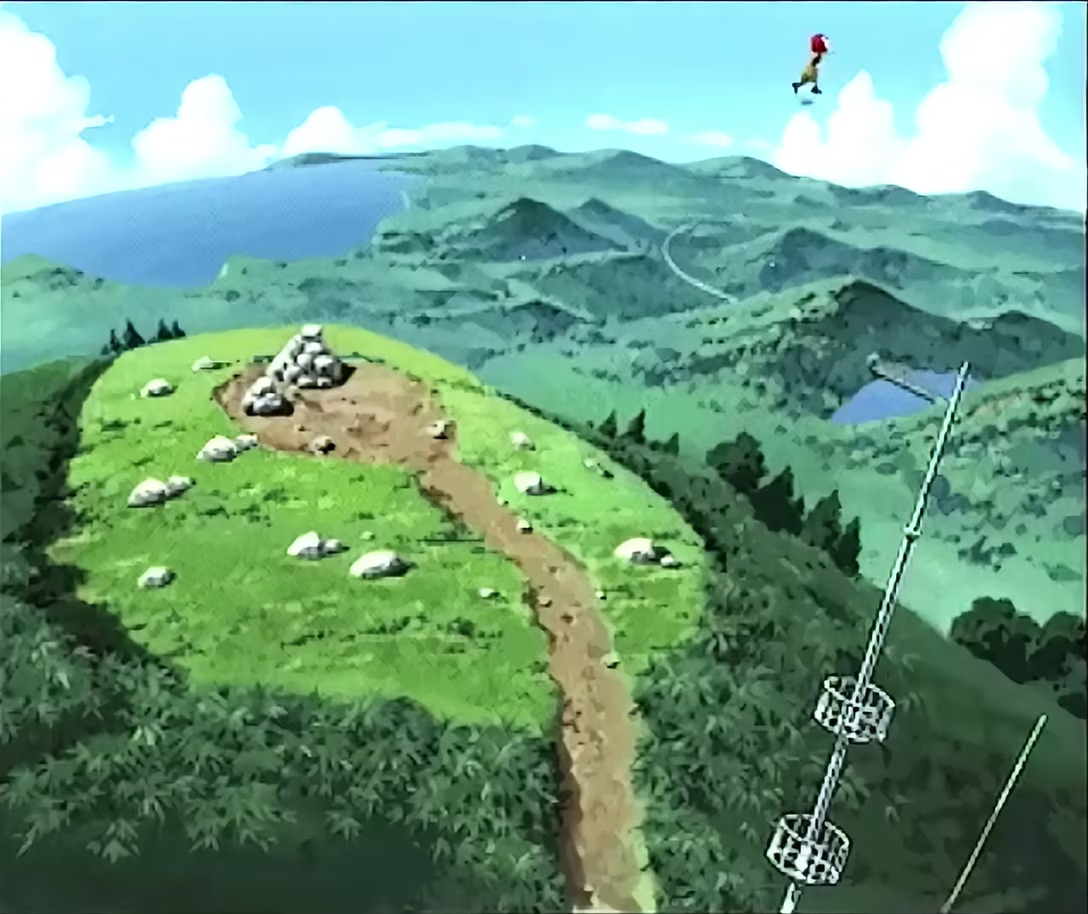
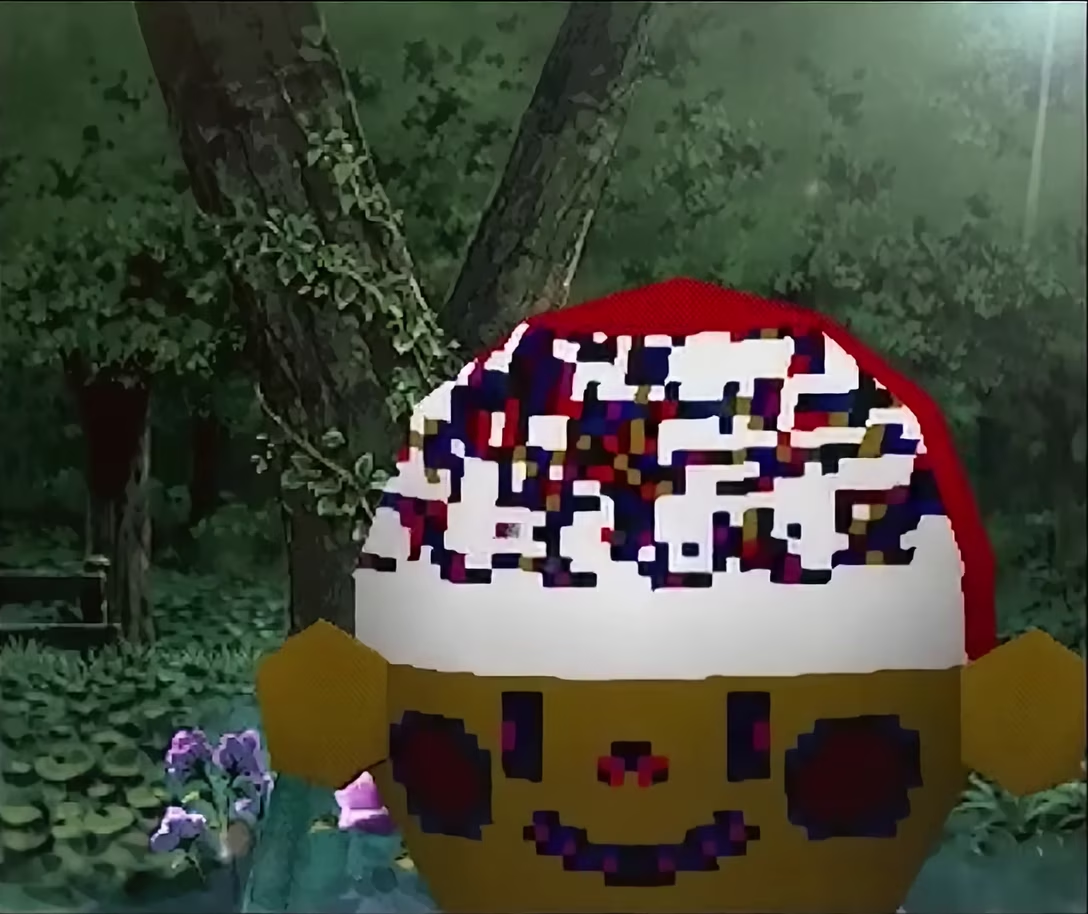
Come to think of it, this is not that much different than the spooky NYCTBA city I mentioned a few days ago. But for some reason – perhaps because of the contrast between the calm nature of the game, and the creepiness of the discovery – this particular bug blew up.
Perhaps via the same corners of the internet we discussed yesterday, the game attained a certain notoriety, and “August 32” became one of the big Japanese gaming urban legends. Creepy video walkthroughs, often enhanced with horror-like music and visuals, became a whole category. YouTube videos from channels focused on mysteries and weird phenomena followed.
The creators’ reaction was a mixture of bewilderment, embarrassment, but also a bit of pride…
I was super surprised when I heard about it, but I was also at the same time kind of impressed. “Wow, it’s not breaking the game even though it’s a bug.”
Of course, it may not be allowed for me to think like this, but I did feel a tiny bit of pride it’s not a “good” bug, but a cool bug. I found out about it a year or two after the game was released, so my first reaction was just super surprised about it.
Millennium Kitchen as a company really cares about the quality of its games, so we do our bug checking really thoroughly. You could probably tell that the Bokunatsu series is one with very few bugs compared to other games that are out there, but maybe it was a trick from the gods to have this bug. The program house that programmed the game is really talented and is a really high-quality team, so it’s not their fault at all.
…although this all also complicated the sequel. Despite explanations and protestations, people tried to find the equivalent of August 32 in the new game, confident it must exist there, too.
Thank you to Sean Kelly for letting me know about this bug/phenomenon.